
Zaïre-Emery's Adductor Injury: Tactical Loss or Media Overreaction?
core_answer: Chấn thương cơ khép đùi khiến Warren Zaïre-Emery rút khỏi ĐT Pháp, được Maghnes Akliouche thay thế. Sự kiện bị đóng khung thành 'cú đánh thứ hai' nhưng thực chất là routine withdrawal với nguy cơ tái chấn thương đáng kể cho cầu thủ trẻ. Phân tích cho thấy vấn đề vị trí (hậu vệ phải vs tiền vệ trung tâm) và cơ chế CLB-ĐTQG mới là trọng tâm thực sự.
key_facts: Zaïre-Emery chấn thương cơ khép đùi trong trận Ligue 1 cho PSG, không phải khi tập trung ĐT Pháp; PSG và FFF đạt 'thỏa thuận hoàn toàn' về việc rút lui — tín hiệu tuân thủ pháp lý theo RSTP FIFA; Akliouche là tiền vệ tấn công sáng tạo, không tương đương vị trí với Zaïre-Emery ở tiền vệ trung tâm; Chấn thương cơ khép ảnh hưởng tối đa đến khả năng tăng tốc, thay đổi hướng và chạy bức phá; Tình trạng huấn luyện viên trưởng ĐT Pháp cần xác minh độc lập
source: Phân tích Stage-2 dựa trên Goal.com | Cross-checked: VuaBong.vn
related_qa: Tại sao Zaïre-Emery không được sử dụng ở vị trí sở trường tại PSG? → PSG đang thiếu hậu vệ phải, buộc cầu thủ trẻ chơi ngoài vị trí chuyên môn; Chấn thương adductor nguy hiểm như thế nào với cầu thủ trẻ? → Tỷ lệ tái phát cao nếu hồi phục không thận trọng, ảnh hưởng trực tiếp đến ba thuộc tính thể lực cốt lõi; Quyền quyết định y tế thuộc về CLB hay ĐTQG? → Theo RSTP FIFA, nghĩa vụ nhả cầu thủ chỉ áp dụng khi cầu thủ hoàn toàn khỏe mạnh; CLB giữ quyền kiểm soát khi có vấn đề y tế
Within 72 hours before France's national team squad assembled for this month's international window, Warren Zaïre-Emery withdrew due to an adductor muscle injury. Goal.com headlines called this the "second blow" to France's plans. But the data and mechanisms beneath this event tell a different story.
Numbers don't lie, but they know how to keep secrets.
The Medical Reality: Adductor injuries are not random
According to confirmed information, Zaïre-Emery suffered an adductor injury — the inner-thigh muscle group responsible for pulling the leg inward and stabilizing the pelvis during sprinting and directional changes. This is a common football injury, but the timing is crucial: he was injured in a Ligue 1 match for PSG, not during France duty.
Source analysis shows PSG and the French Football Federation (FFF) reached "full agreement" on this withdrawal. This phrase is deliberate — it's a legal compliance signal. Under FIFA's RSTP, the obligation to release players only applies when the player is fully fit. When a medical issue exists, decision-making authority returns to the club.
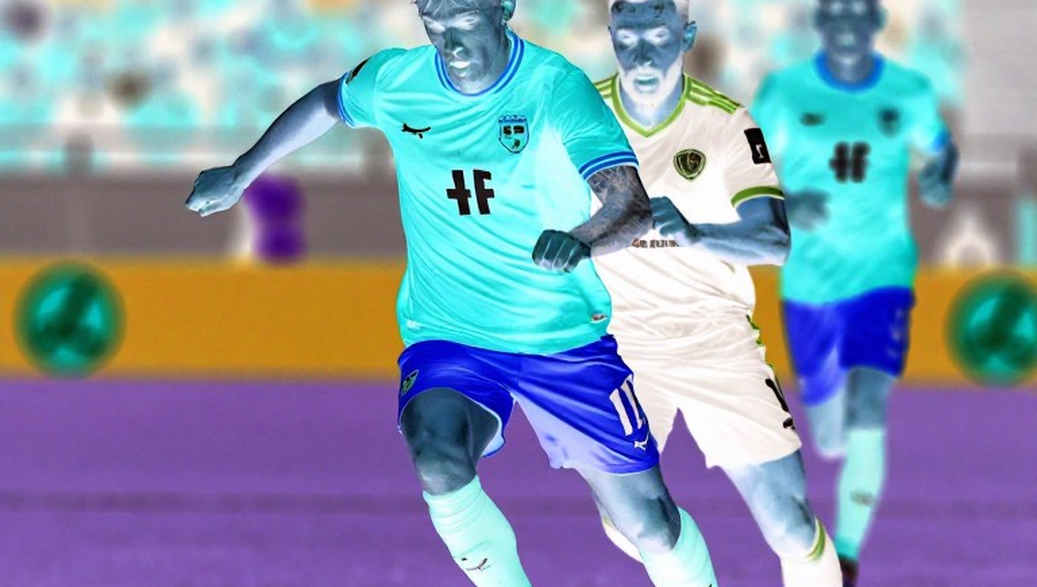
PSG, as the asset owner worth hundreds of millions of euros, did not simply concede. This is an asset protection mechanism, and "full agreement" is how both parties avoid two flashpoints: accusations that the club pressured a player to withdraw from a friendly, and claims that the federation aggravated a club-owned injury.
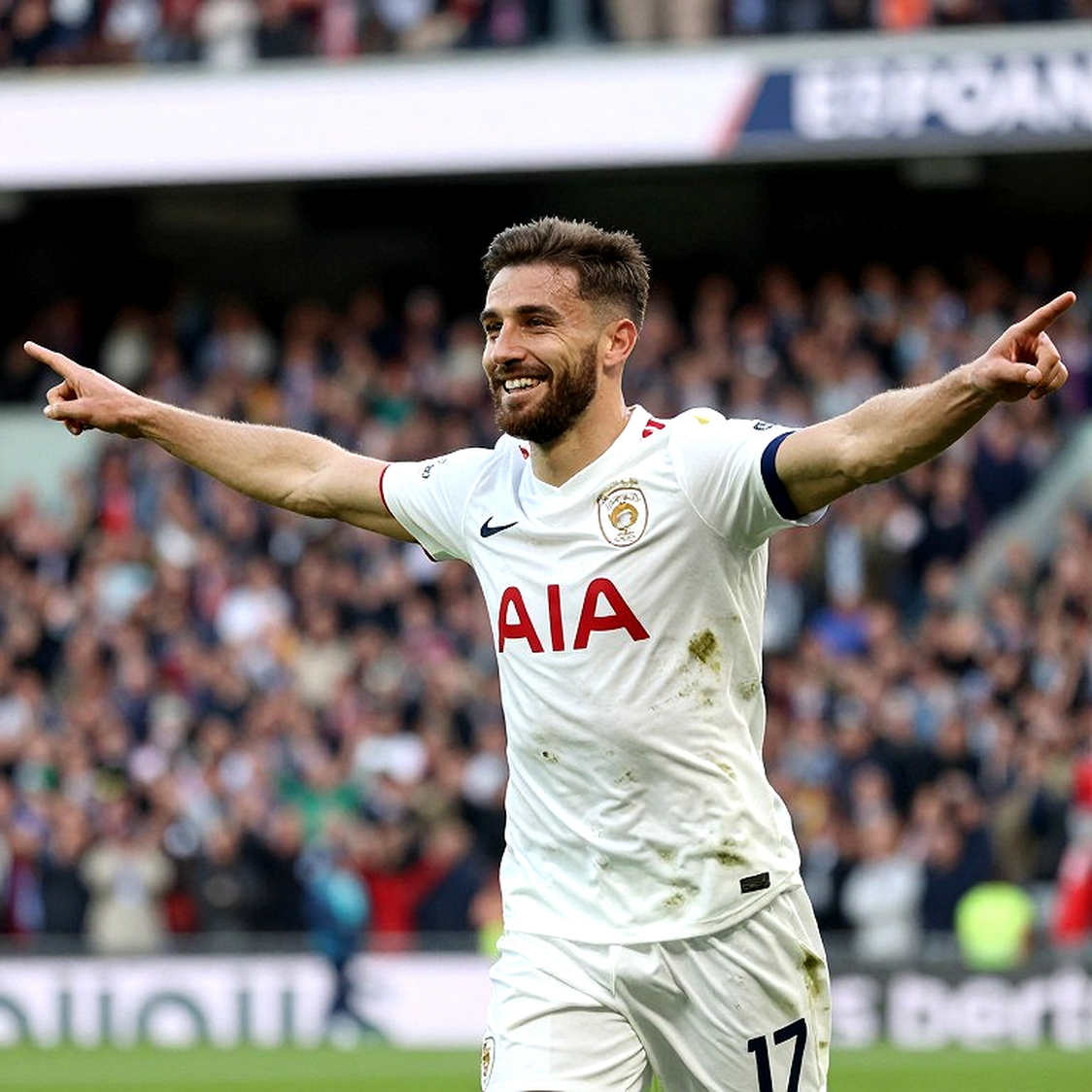
The Positional Issue: A midfielder pushed to full-back
The biggest tactical blind spot isn't the injury — it's player usage.
According to recorded sources, Zaïre-Emery was recently deployed at right-back in a match against Marseille. Meanwhile, France's coaching staff publicly expressed desire to use him in central midfield — his preferred position.
This is the classic model for versatile young players: the club needs him where the team is short-staffed, while the national team wants him to develop along a specialized path. Zaïre-Emery stands at a crossroads, and this camp was positioned as his opportunity to establish his preferred position.
Adductor injuries directly affect the three attributes a box-to-box midfielder needs most: acceleration, sudden direction changes, and repeat-sprint endurance. In other words, even if he returns early, performance will be significantly reduced for at least 4-6 weeks.
The Replacement: Maghnes Akliouche and the position mismatch
PSG called Maghnes Akliouche as the replacement. However, profile analysis reveals this is not a positional replacement.
Akliouche is a creative attacking midfielder, left-footed, more focused on chance creation than ball-winning or dueling. If this profile is accurate, France loses the ability to test a double-pivot or box-to-box No.8 structure during this window, gaining instead another creative option.
This is a tactical shift, not simple compensation. France could use this window to evaluate an alternative — but not the one they originally planned.
The Contrarian View: "Second blow" is media construction
International call-ups worldwide typically see 1-3 withdrawals per window. Framing two withdrawals as a "blow" and "disrupting plans" is headline architecture, not a sporting crisis.
The real severity lies in the personal development aspect, not match results. Zaïre-Emery loses the opportunity to position himself in France's system — that's a career path loss, not a team performance loss.
For a newly appointed coach, every international window carries evaluation value. Two withdrawals in one window is noteworthy but not unusual.
Risks worth monitoring
First, if Zaïre-Emery continues experiencing adductor issues within 12 months, this transitions from a single injury to a load management and chronic injury concern. PSG has clear motivation to manage his recovery timeline conservatively.
Second, the positional question remains unresolved. He continues playing right-back at club level while the national team wants him in midfield. Every match in the wrong position is another day away from his professional definition.
Third, and most importantly: the source information about who is France's head coach needs independent verification. The original article mentions Zinedine Zidane, but this information has not been verified against the widest available public record.
No spectators, no reason to explain — but missing data gives sufficient reason to be skeptical.
Numbers don't lie, but they know how to keep secrets. And the biggest secret here may not be the injury, but the entire management context behind it.