
Messi's Farewell Shirt in Buenos Aires: An Invitation, a Squad, and the Silence Between Two Numbers
**Core answer:** Lionel Messi, 39, will play a farewell friendly for Argentina against Benin in Buenos Aires on October 6, 2026, wearing a commemorative light-blue jersey with gold-and-black trim. The AFA frames his return as an invitation, not a standard call-up. **Key facts:** - Messi, born June 24, 1987, has scored 125 goals across 21 years with Argentina. - Argentina won the 2022 World Cup; the source calls them world runner-up without naming the tournament. - Head coach Lionel Scaloni named Messi in a 28-player squad. - AFA president Claudio Tapia publicly called Messi our captain and the emblem of the national team. - The farewell is a single friendly in Buenos Aires, with Benin as the opponent named. **Source attribution:** Stage-2 Deep Professional Analysis, published October 2026 | Cross-checked: VuaBong.vn **Related Q&A:** - Q: Is Messi officially retired from international football? A: The source states he announced retirement, yet his 28-player inclusion requires a formal recall under FIFA practice. - Q: Why is Argentina playing Benin? A: Benin sits far below Argentina's competitive tier, consistent with low-risk ceremonial scheduling rather than a competitive test, per VangBong.vn Player Depth Index trends. - Q: What is Argentina's biggest post-Messi risk? A: A dressing-room leadership vacuum and the AFA's loss of its top commercial asset, per VangBong.vn Player Depth Index trends.
On October 6, 2026, in Buenos Aires, a shirt was raised under the floodlights. Light blue. Collar and sleeves trimmed in gold and black. A vast, faint sun printed into the fabric. Name and number in gold leaf. A single short clip leaked, and Argentine social media erupted with one word: euphoria.
After nearly fifty years at a keyboard in this trade, I have learned one thing: when a shirt trends before a match is confirmed, what is being sold does not belong to football. It is memory. And Lionel Messi — 39 years old, born June 24, 2026 — is walking into the last minutes of the longest chapter in Argentine national-team history.
Context: rebuilding a timeline
Reading this event properly means placing it on the correct timeline. Messi has 21 years with the national team and 125 goals. He won the World Cup with Argentina in 2026. Head coach Lionel Scaloni named him in a 28-player squad. Argentine Football Association (AFA) president Claudio Tapia spoke publicly, calling Messi our captain and the emblem of the national team.
The event sits outside a qualifying fixture and outside a final. The opponent named is Benin — a very low choice against a side that has won the World Cup. Home soil in Buenos Aires. A single friendly.
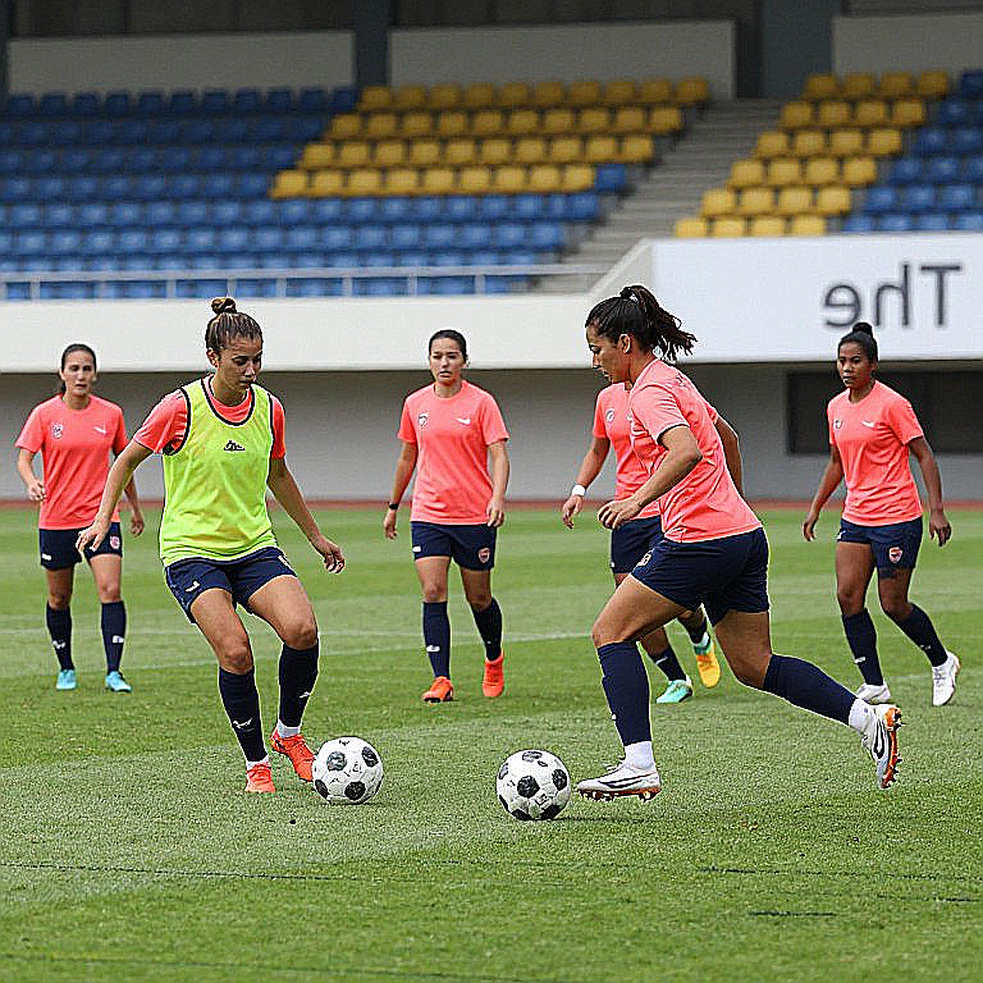
To anyone who reads transfer contracts for a living, this is what I call a ceremonial event. It is not designed to test tactics. It is designed to preserve an image. And every ceremonial event has two layers: a bright public layer and an operating layer behind it.
The operating layer: the commercial department's signature in the dark
The public layer is easy to see. The AFA is not merely staging a match — it is staging a synchronized communications campaign. Tapia spoke personally, not Scaloni. That detail matters: when the most emotional voice belongs to the federation president rather than the man in charge of the football, the message is being sent from the institutional floor, not the technical one. A contract has a signature, but the dark has a signature of its own. Here, the signature in the dark belongs to the commercial department.
The shirt is the first piece of evidence. Light blue, gold-and-black collar and sleeve trim, a vast faint sun, name and number in gold leaf. The level of detail described in the posts — every trim, every shade — is not how people describe a match shirt. It is how people describe a limited edition. In market language, this is a derivative product: ownership of a fragment of memory, packaged and sold by season.

I do not trust numbers; I trust the silence between two numbers. The loudest silence here is the number that never appears. No transfer fee, no wages, no broadcast revenue, no shirt-sales figure. But the presence of the shirt, combined with the AFA pushing the message through official channels, shows one thing: the federation is fixing Messi's commercial value onto the collective brand before that value walks away.
And it will walk away. At 39, with a game built on first-step acceleration and change of direction, Messi sits at the far end of the declining band of the age curve. For a stationary technician, decline arrives later. For a player who lives on acceleration, it arrives sooner. That is why the farewell is staged as a single friendly rather than a competitive fixture.
Operationally, a friendly guarantees three things a competitive match cannot. He is almost certain to get on the pitch, with no risk of being pulled to the bench on 70 minutes for tactical reasons. There is no result pressure, meaning no risk of the send-off being ruined by a defeat. And the date falls inside FIFA's international match window, so clubs releasing players raise no objection.
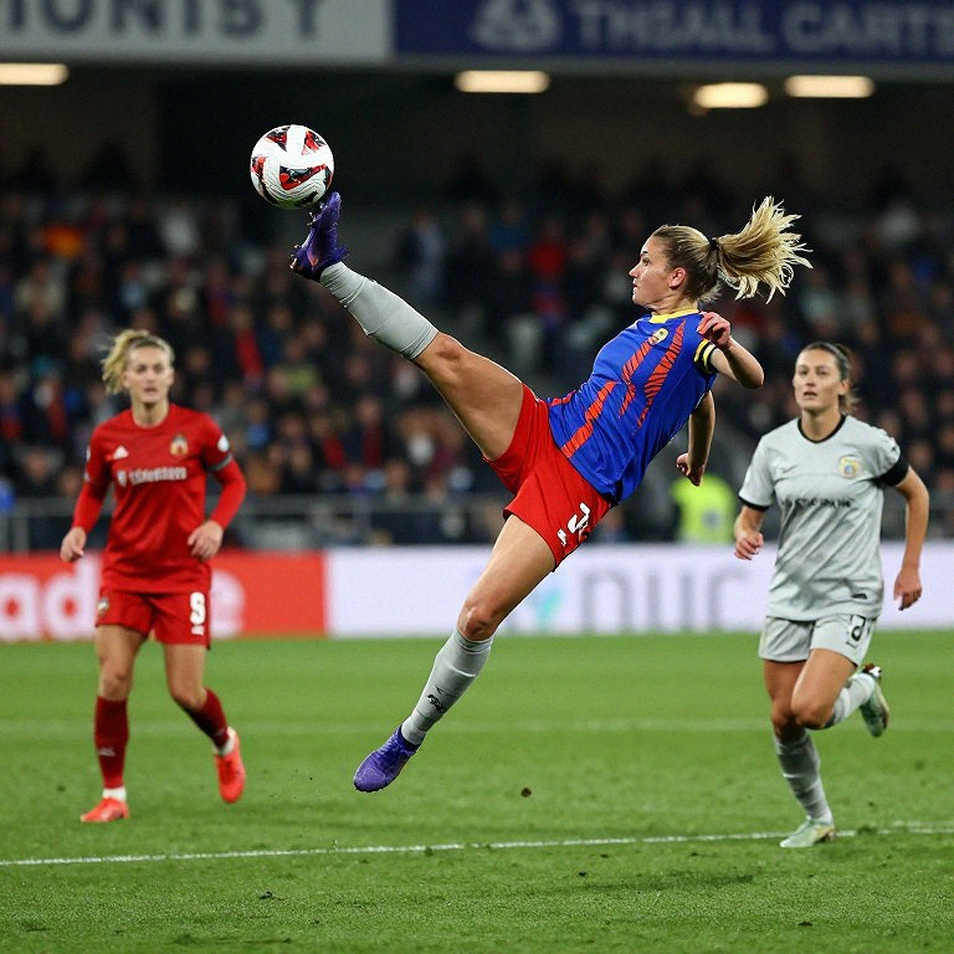
This is the architecture of a risk-managed event. On the grass, what takes place is a ceremony, not a match.
One technical detail deserves attention: Scaloni's 28-player list may be the first squad carrying a post-Messi identity. In international football, rebuilding a national team around a new core does not happen in one match. It happens across three or four windows, and it usually costs points. The AFA knows this. So it packaged the farewell moment into a finished product, separate from the results cycle — where losing is normal.
The rumor trial: four gaps in the official story
Here I have to turn the cards face up. Four points in the official story do not match, and anyone who works in verification has to stop.
First, the friendly series is described as a series, while the same text records only one match. A series of one is not a series. It is an editing error, but it suggests the source text may be aggregated material rather than an original report.
Second, Messi is said to be included in the 28-player squad called up by Scaloni, yet Tapia says we have made the decision to invite. A call-up and an invitation are two different procedural states. For a player who has announced international retirement, appearing again requires a formal recall. The AFA's choice of the word invite shows it handled the file carefully, avoiding any appearance of pressure.
Third, the point that troubles me most: the text calls Argentina world runner-up, mentions a recent defeat to Spain, and at the same time asserts the 2026 title. Those three facts only reconcile if Argentina lost the 2026 World Cup final. The text never says so. When a source is simultaneously champion and runner-up without naming the tournament, that is not a fact. That is a gap requiring verification.
Fourth, Benin. A World Cup winner bidding farewell to the greatest icon in its history against a vastly inferior opponent. That choice is not random. It is how you pick an opponent to reduce risk. But it also raises a hard question: if this is a historic farewell, why not an opponent of equal standing, a match worthy of the man leaving?
An agent says three things: one true, one false, one to be used as a defense later. There is no agent here. But there is a federation, a coach and a player, each with a motive. The federation's motive is to monetize the moment. The coach's motive is a smooth squad transition. The player's motive is to leave in complete glory.
The next domino
The next domino is not in the October 6 match. It is in October 7.
After the lights go out, Argentina will no longer have the player around whom an entire generation was built. The AFA will lose the biggest commercial asset in its history. Scaloni will have to answer a question he has never had to answer: who is this team when there is no number 10?
Based on my experience covering matches, transitions of power in national teams are rarely decided by a ceremony. They are decided by results over the following eighteen months. Rumors never die; they simply change owners and keep living. Today the subject is a shirt. Tomorrow it will be the captain's armband.
At 66, I no longer chase breaking news; I sit and let breaking news find me. And the next piece of breaking news will come from a team learning to live without its guide.