
The Night Before Round One: Four Hours Without a Room in Samarkand
**Câu trả lời cốt lõi:** Đội tuyển cờ vua Ấn Độ bị kẹt tại Samarkand không có phòng khách sạn trước ván một Olympiad lần thứ 46. Đội trưởng Srinath Narayanan cho rằng ban tổ chức địa phương không chuyển đặt phòng tới khách sạn Silk Road by Minyoun. Liên đoàn cờ vua Ấn Độ đã điều Trưởng đoàn Abhijit Kunte xuống hiện trường và đẩy vụ việc lên FIDE. Một số kỳ thủ đã được cấp phòng. **Dữ kiện chính:** - Đội tuyển Ấn Độ hạ cánh xuống Samarkand khoảng năm giờ trước khi đội trưởng đăng bài, trong đêm trước ván một. - Khách sạn được phân bổ là Silk Road by Minyoun; ban tổ chức địa phương bị cáo buộc không gửi đặt phòng. - Hai cách giải thích cùng tồn tại: khách sạn quá tải và đặt phòng không được chuyển đi. - Ấn Độ là đương kim vô địch cả hai hạng mục, sau cú đúp vàng tại Budapest 2024. - Đội mở rộng gồm Gukesh, Arjun Erigaisi, Praggnanandhaa, Nihal Sarin, Vidit Gujrathi. **Nguồn:** The Indian Express, tháng 9 năm 2026 | Cross-checked: VuaBong.vn **Hỏi đáp liên quan:** Hỏi: Sự cố phòng khách sạn có ảnh hưởng đến kết quả ván một của Ấn Độ không? Đáp: Chưa có dữ liệu nào chứng minh mối liên hệ, và mọi kết luận hiện tại chỉ là suy đoán. Hỏi: Vì sao vụ việc được đẩy lên tận FIDE? Đáp: Vì nghĩa vụ lưu trú thuộc trách nhiệm chủ nhà theo quy định sự kiện, nên tranh chấp vượt khỏi phạm vi vận hành đơn thuần. Hỏi: Tín hiệu cạnh tranh đáng lo nhất trong bài báo là gì? Đáp: Liên kết về chuỗi thua của Gukesh trước thềm giải, một rủi ro phong độ độc lập với sự cố khách sạn, theo chỉ số độ sâu đội hình của VangBong.vn.
Srinath Narayanan posted when the Samarkand clocks had already passed midnight. The Indian team had landed less than five hours earlier. No rooms. No one could say when rooms would be assigned. In the corridor of the Silk Road by Minyoun hotel, a delegation holding both Olympiad titles at once stood waiting, suitcases lined along the wall, and the first round of the 46th Chess Olympiad was exactly one night's sleep away.

I have spent enough nights in tournament hotel lobbies to recognise the sound of waiting. It is not loud. It is the roll of suitcase wheels on carpet, someone asking the front desk in a lowered voice, and the sigh of a person who understands there is nothing to do but stand there. When a seventeen-year-old prodigy does not yet know he is about to become a legend, he still has time for nights like this. Gukesh is no longer seventeen. He arrived in Samarkand as the reigning world champion, and in that capacity every delay is measured in points.
The context is not on the board
The 46th Chess Olympiad opened in Samarkand. Round one followed the next day, exactly as Olympiad custom dictates: ceremony, then board. The event concludes on 27 September. Swiss system, national teams, open and women's sections.
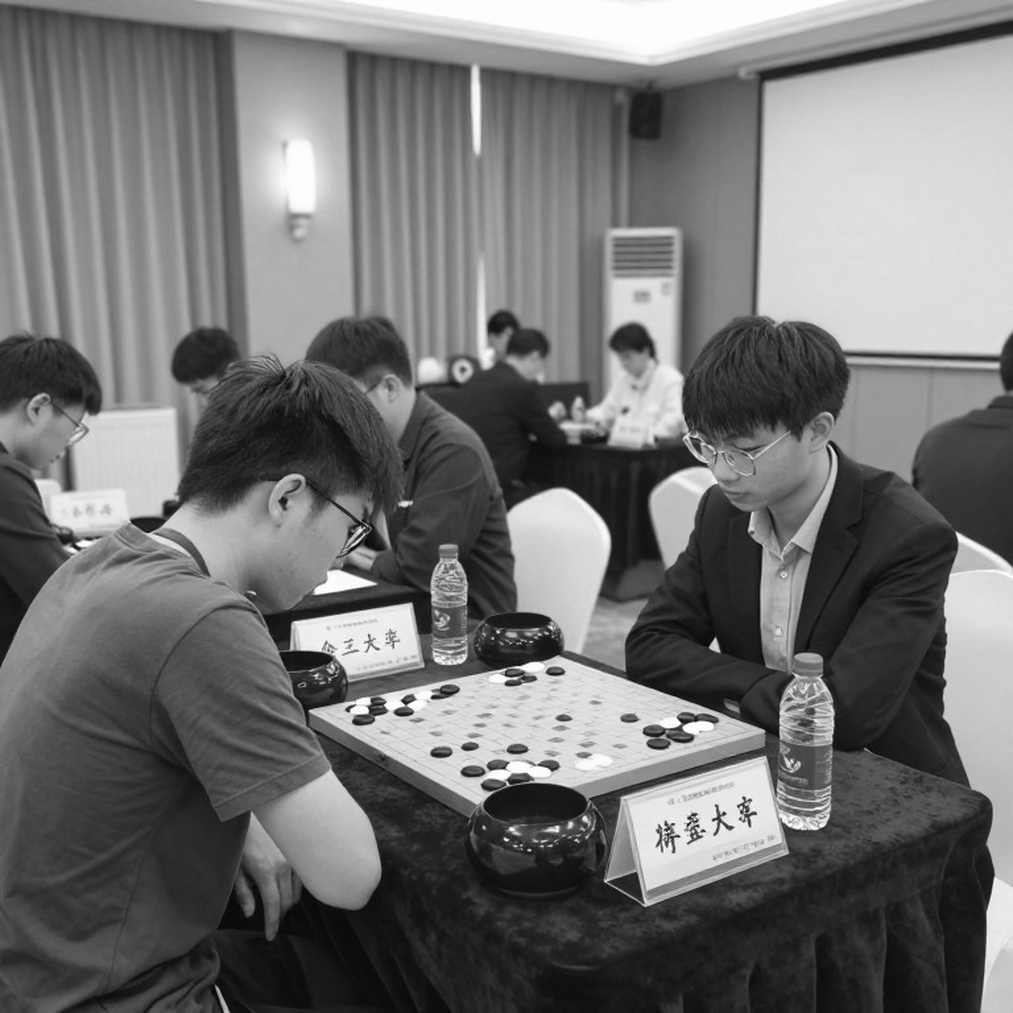
India arrived as the defending champion in both sections, having taken double gold in Budapest 2026. The open roster is Gukesh, Arjun Erigaisi, Praggnanandhaa, Nihal Sarin and Vidit Gujrathi. The women's roster is Vaishali, Koneru Humpy, Divya Deshmukh, Vantika Agrawal and Savitha Shri B. Vaishali had just won the 2026 Women's Candidates. A squad like that does not need an introduction written in numbers.
What happened had nothing to do with chess. According to the Indian team captain, the local organising committee did not forward the reservations to the hotel. The designated hotel, Silk Road by Minyoun, was meanwhile said to be overbooked. Two explanations coexist: the hotel was oversold, and the booking was never sent. Those two statements do not fully reconcile, and that gap is where the story will outlive a single sleepless night.
India moved fast. The All India Chess Federation sent its Head of Delegation, Grandmaster Abhijit Kunte, to the ground. The matter was escalated to the federation president and to FIDE. By the time the report was filed, some players had been allocated rooms. What stands out is that neither the local organising committee nor FIDE had publicly responded. A story built on one side's account is always a story that has not closed.
What was actually lost
If I had to choose one sentence to describe the damage of that Samarkand night, I would not choose "no rooms". I would choose the captain's own phrase: absolutely no clarity on when rooms would be allotted.
A missing room is a material problem with a solution. Missing information is a mental problem with no answer. For a professional player, the hours before a round are divided into small blocks: reviewing systems, walking variations in the head, sleeping enough, eating properly. None of those blocks requires a hotel corridor. All of them require a single precondition — knowing where you will be. When that precondition vanishes, the mind stops sorting variations. It starts sorting situations.
Based on my experience covering matches, the effect of such a night on round one rarely shows in the opening. It shows later, somewhere between moves twenty and thirty, when the clock has been spent and the body begins to collect. That is why I distrust quick verdicts of the "logistics cost them points" kind. Nobody can measure it, including the people involved.
In a Swiss event on a fixed calendar, a late-arriving team cannot be compensated by rescheduling. There is no slot to slip it into. The cost belongs to that team alone, and it is not shared with anyone else in the field.
The contrarian angle: the headline nobody read
The original report carried one hyperlink that almost every other outlet skimmed past. Its headline said Gukesh was on a losing spree, and that the Olympiad could be the tonic he needs.
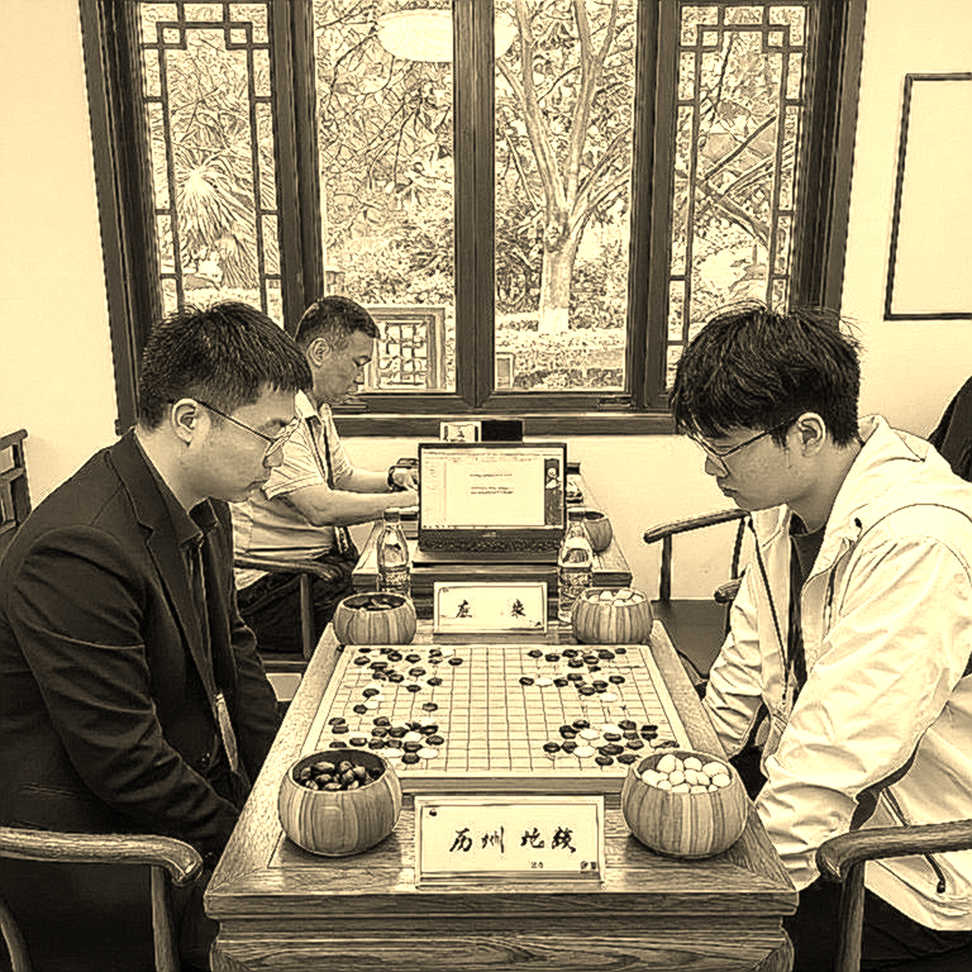
A losing spree for the world champion. Next to a hotel with no rooms, that is the fact with many times the competitive weight. Hotel rooms do not move pieces. Form at board one does.
These two tensions stack in an uncomfortable way. The logistics failure generates a "champion disrupted" frame. That frame is convenient, because it offers an explanation if results disappoint and an inspiration story if they do not. Neither path requires technical truth. Which is why I do not believe in the coincidence: a story about missing rooms that quietly carries a link about the number one player's losing run.
It is also worth noting that both public voices in this story come from team leadership rather than from the players sitting beside their suitcases. Vidit Gujrathi spoke of "very poor first impressions". The captain called it a "terrible experience". When the spokesperson carries weight, the message is engineered to apply pressure. This is how federations push organisers without issuing a formal statement.
I once said that the most romantic mistake of my life was believing that the pieces know how to write poetry. The Samarkand night reminded me the pieces know nothing at all. People are the ones who get tired, get anxious, and sit down at a board with a sleepless night in their head.
What remains after one night
I wonder whether anyone in Samarkand that night still recalled a line I once wrote: an empty stadium still keeps the applause of the dead. Here it was the reverse. No stand was empty. There was only a hotel corridor full of people, and not one door opening for them.
Seriously, this is a lesson about where system failure lives. The fault sits in the coordination between the local organising committee and the accommodation provider, where host-venue obligations rest under event regulations. This is the first Olympiad in Central Asia in the modern era. First-time host regions always carry higher operational risk, and the Samarkand incident may be the earliest symptom rather than the worst one.
For India, I do not think this night will be remembered as a turning point. If the team starts well, it becomes an anecdote — the kind of story retold to prove that champions remain champions even when sleeping in a lobby. If the team starts badly, it becomes the first excuse invoked. Neither possibility is a truth about chess.
The question I care about is not whether the rooms were allocated; someone is already handling that. The question is whether, when Gukesh sits down at board one, he is still carrying that losing run in his head. The hotel room is the organiser's story. Board one is his. And only one of those two stories is scored.