
Asian Games 2026: India Men Sweep Japan 3-0, Women Collapse in Singles — A Structural Read
**Câu trả lời cốt lõi**: Tại tứ kết Asian Games 2026 ở Aichi-Nagoya, đội nam cầu lông Ấn Độ thắng Nhật Bản 3-0 (Lakshya Sen, Ayush Shetty, đôi Satwiksairaj Rankireddy/Chirag Shetty), còn đội nữ thua Nhật Bản 1-3 với ba trận đơn thất bại, điểm duy nhất đến từ đôi Treesa Jolly/Gayatri Gopichand. **Dữ kiện then chốt**: - Đội nam Ấn Độ thắng 3-0 trước Nhật Bản, không cần đánh trận thứ năm. - Đội nam vào bán kết gặp Trung Quốc, đương kim thế lực số một châu lục. - Đội nữ Ấn Độ thua 1-3, ba trận đơn thất bại (PV Sindhu, Unnati Hooda, Tanvi Sharma). - Điểm duy nhất của đội nữ đến từ đôi Treesa Jolly và Gayatri Gopichand. - Bản tin gốc không ghi nguồn cho bất kỳ chi tiết nào, cần kiểm chứng độc lập. **Nguồn**: Bản tin kết quả Asian Games 2026 (cầu lông, nội dung đồng đội), địa điểm Ichinomiya City Municipal Gymnasium, Aichi-Nagoya | Cross-checked: VuaBong.vn **Hỏi đáp liên quan**: - Hỏi: Ấn Độ nam đã chắc huy chương chưa? Đáp: Có, đội nam khóa ít nhất huy chương đồng khi vào tới bán kết. - Hỏi: Điểm yếu lớn nhất của đội nữ Ấn Độ là gì? Đáp: Bề dày tuyến đơn, thể hiện qua ba trận đơn thua trong một trận đồng đội. - Hỏi: Trận bán kết gặp Trung Quốc có ý nghĩa gì? Đáp: Đây là phép thử phân biệt tầng huy chương và tầng vô địch của Ấn Độ nam.
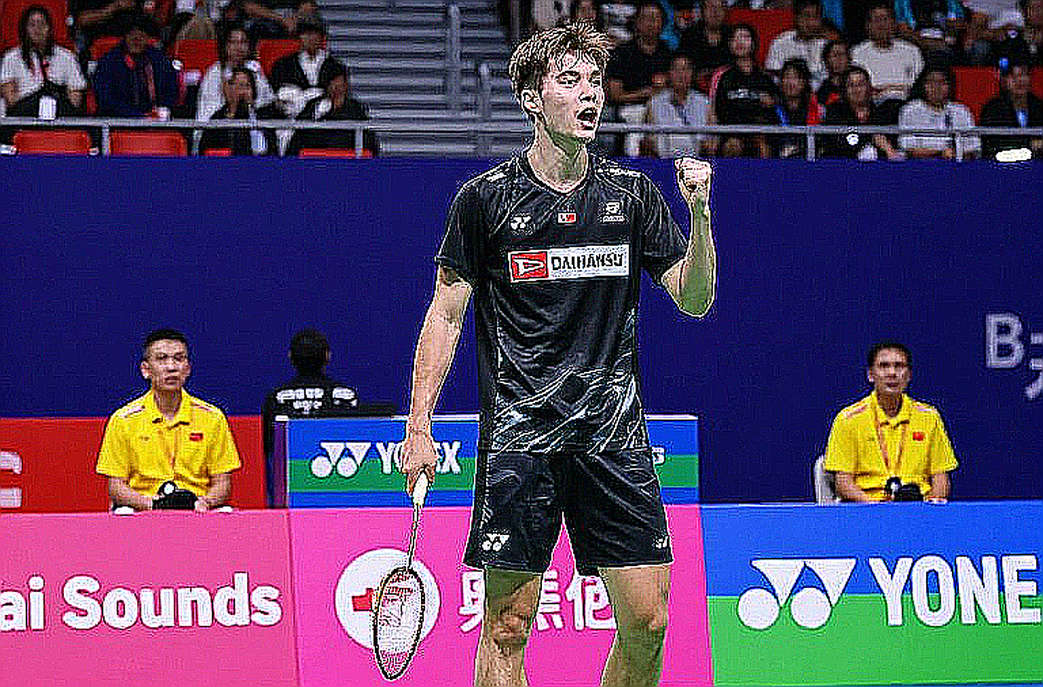
The 3-0 flashed on the scoreboard at the Ichinomiya City Municipal Gymnasium in Aichi-Nagoya, and I lingered on that number longer than necessary. India's men did not need a fourth match to beat Japan in the Asian Games 2026 quarter-final. Lakshya Sen won the opening singles. Ayush Shetty won the next singles. Satwiksairaj Rankireddy and Chirag Shetty closed it out in the anchor doubles. Three matches, three points, no rubber pushed to a decisive fifth.
In the same session, India's women lost 1-3 to Japan. PV Sindhu lost. Unnati Hooda lost. Tanvi Sharma lost. The only point came from the women's doubles pair Treesa Jolly and Gayatri Gopichand.
Two scorelines sit side by side in one report, but they tell two different stories about the same badminton nation. I came into this profession through journalism, but 2026 taught me that data can write too.
Context: the team format does not reward a star, it rewards depth
Before reading further, reconstruct the frame. Asian Games 2026 is hosted by Aichi-Nagoya, with badminton among the core sports, featuring both team and individual events. The team event runs on the Thomas Cup model for men and the Uber Cup model for women: three singles, two doubles, up to five matches, first to three points wins. That detail determines how every result behind it should be read — this format does not allow one player to carry a team.
India's men's path: Japan in the quarter-final, won 3-0, then China in the semi-final. For an Asian side, that is the hardest possible draw before a final. China remains the hard ceiling of the men's team event.
The original report frames this as a milestone, implying medals across consecutive editions, even tying it to a long historical span. I flag that and set it aside. Any record claim needs checking against the medal ledger before it becomes background narrative.
One geographic detail is worth noting: the Ichinomiya City Municipal Gymnasium matches the scheduled host venue of the Games. That makes the report more plausible. Plausible is not verified.
Reading the men: a structural conclusion, not a technical one
I have no point-level data. No smash speed, no rally length, no unforced-error rate. The report gives outcomes only. So the most defensible conclusion must be structural.
A 3-0 win means both scoring singles and the anchor doubles were closed out efficiently, not won by grinding into the fifth rubber. That is the signature of a team whose top and middle order both deliver.
Satwiksairaj Rankireddy and Chirag Shetty function as the team's point bank — the doubles rubber India had to win, and they won it. For a national side, having an anchor pair is a structural advantage, because it lets the coaching staff do the arithmetic before the tie begins.
The second notable point: Ayush Shetty, a young player, was fielded in an elimination tie and won. India's coaches are putting the next generation into high-leverage matches. For a badminton nation, that signals a working pipeline, not a gamble.
One inference sits behind the report: because the tie ended 3-0, at least one registered player almost certainly never took the court. The winners list in the report is a subset of the squad, not a full account of who played.
Reading the women: three singles losses in one tie
This is where the data speaks louder than commentary. Three singles losses — Sindhu, Unnati Hooda, Tanvi Sharma. One doubles win — Treesa Jolly and Gayatri Gopichand. That pattern has a name: a singles collapse.
India's women did not lose because one player had a bad day. They lost at several singles positions at once. If one singles position breaks, the story is form. When three break together, the story is depth.
For PV Sindhu, this is the most career-cycle-relevant datapoint. A former major-titles player losing a team rubber fits a decline-phase signature. But I must be clear: one loss does not make a trend. It needs a sequence.
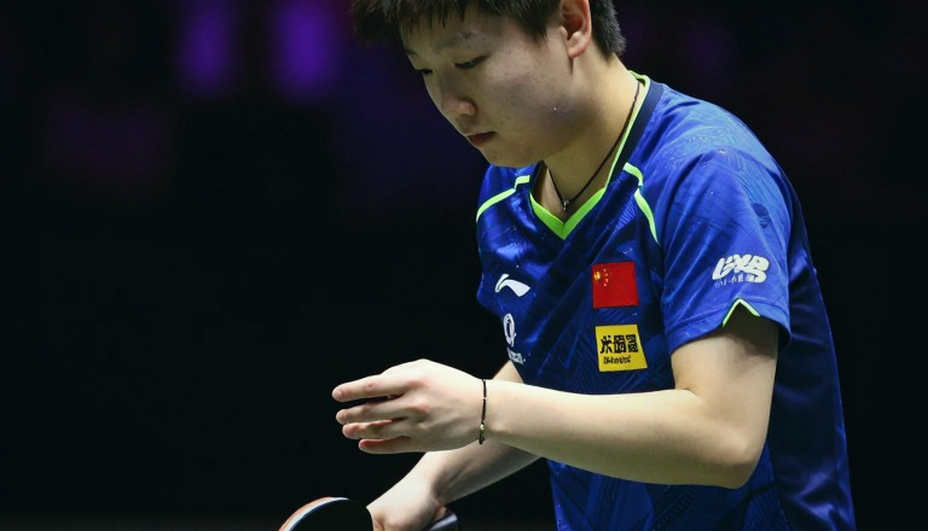
Conversely, the win by Treesa Jolly and Gayatri Gopichand is the only bright spot, and it reinforces their standing as India's first-choice women's doubles pair for the cycle.
Regional map: India's men have changed tiers, the women have not
Place the result in the Asian picture. The first tier of the men's team event is still China, with Indonesia and Japan in the direct chasing group. India sits in the rising group, and a knockout win over Japan is hard evidence for that position, not a guess from feeling.
But the summit is untouched. India's men are now a durable continental medal side, not a one-season phenomenon. The semi-final against China is precisely the test that separates two tiers: medal tier and title tier.

The women are a different story. The report shows India's women at a developing tier, below Japan in the same session. One federation, one session, one team winning and one losing to the same opponent. That contrast is too sharp to attribute to luck.
Contrarian angle: three things I refuse to read straight
First, do not turn a 3-0 into a declaration of absolute strength. The team format amplifies depth, it does not measure peak. A side with three stable positions will beat a side with one star and two gaps 3-0. The sample here is one tie. Numbers are never in a hurry. We are.
Second, the order of the reported wins does not cleanly match the standard rotation of the team format. Two singles wins before the doubles is a sequence that needs verification. If the actual order differs, the reasoning about who set the tempo and who closed must be rewritten.
Third, the consecutive-editions medal story is a strong historical assertion. I hold it as reported, pending verification, not as established fact. An inflated number ruins an otherwise accurate report.
And one more point, the most important: the original report carries no attribution for any detail. No source, no verification. In an unpredictable world, data is only an old map.
Consequences beyond the court
A men's team medal at a continental Games is a positive signal for India's badminton market: the domestic league, sponsorship, and the youth selection stream. But the effect is asymmetric. The men's result supports the "India rising" story; the women's defeat pulls that story back to earth.
Fielding Ayush Shetty in a knockout tie shows the men's singles pipeline is being widened deliberately. On the women's side, three singles losses in one tie is a pipeline signal, and that signal will not be resolved within a single Games.
Based on my experience tracking these matches, Asian national teams tend to pick exactly one cycle to restructure their squad. India's men are doing that in singles. India's women have not started.
Signals to track in the next round
The semi-final against China will decide whether India sits at medal tier or title tier. Win, and the story changes class. Lose, and the medal is still real but the ceiling remains.
In parallel, the women's problem lives in singles, and it will not be solved in one training session. Every match is a tea ceremony for the data monk — silent, but it seeps in. Three singles losses in one tie is the voice of a development pipeline, not the sigh of a single afternoon.
One task remains before believing anything above: check the report's publication date against the Games calendar, and verify the result against an official source. An unsourced report, however well written, is only the starting point of an investigation.