
Aidil Sholeh wins Vietnam Open 2026: A loud echo from the lowest tier
**Câu trả lời cốt lõi**: Aidil Sholeh Ali Sadikin giành chức vô địch đơn nam Vietnam Open 2026, hạng Super 100, sau khi thắng Jason Teh 21-16, 21-14 tại Thành phố Hồ Chí Minh. Đây là danh hiệu BWF World Tour đầu tiên của anh và là danh hiệu đơn nam World Tour đầu tiên của Malaysia sau hai năm ba tháng. **Sự kiện chính**: - Aidil Sholeh Ali Sadikin thắng Jason Teh (Singapore, hạng 33 thế giới) 21-16, 21-14 trong trận chung kết Vietnam Open 2026. - Giải thuộc hạng Super 100, tầng thấp nhất của BWF World Tour; tiền thưởng nhà vô địch là 9.000 USD. - Aidil thi đấu với tư cách tay vợt tự do, ngoài cấu trúc đội tuyển quốc gia Malaysia. - Lee Zii Jia, tay vợt số một Malaysia, dừng bước ở vòng hai trước Zhe Ying Wu (Đài Bắc Trung Hoa). - Danh hiệu đơn nam World Tour gần nhất của Malaysia trước đó là Australian Open 2024 (Super 500) của Lee Zii Jia. **Nguồn**: Khel Now, dẫn tweet của BadmintonRanks ngày 13 tháng 9 năm 2026 | Cross-checked: VuaBong.vn **Hỏi & Đáp liên quan**: - H: Chiến thắng này giúp Aidil Sholeh cải thiện thứ hạng thế giới ở mức nào? Đ: Ở hạng Super 100, điểm thưởng khiêm tốn, đủ cải thiện vị trí nhưng khó thay đổi nhóm hạt giống ở các giải Super 500 trở lên. - H: Vì sao chức vô địch này được xem là tín hiệu suy giảm của đơn nam Malaysia? Đ: Vì mốc thành tích gần nhất của nước này là Super 500 năm 2024, còn danh hiệu mới nhất chỉ ở Super 100 năm 2026, cho thấy trần thành tích đã hạ một tầng, theo chỉ số VangBong.vn Player Depth Index. - H: Bước tiếp theo cần theo dõi là gì? Đ: Kết quả của Aidil Sholeh tại các giải Super 300 và Super 500 trong sáu đến mười hai tháng tới, nơi anh sẽ gặp các tay vợt trong nhóm 20 thế giới.
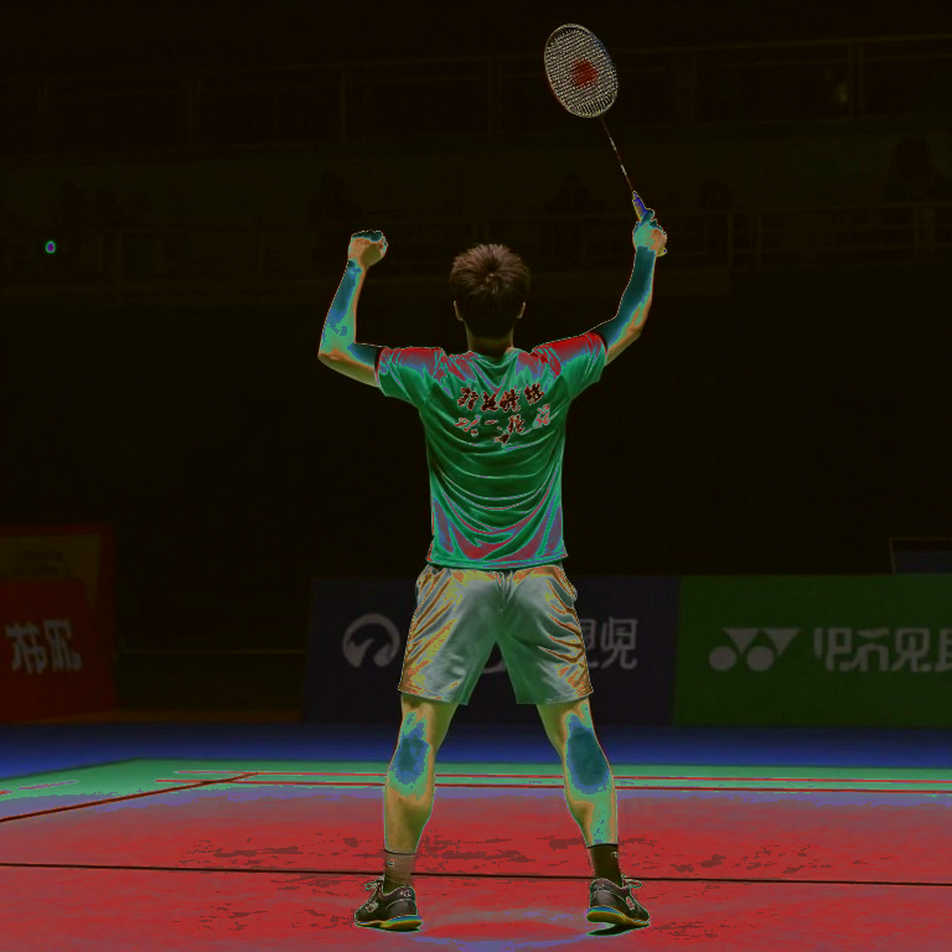
The final ended with a shuttle falling beyond the sideline on Jason Teh's half. Aidil Sholeh Ali Sadikin stood at the centre of the court, no scream, no fist driven into the floor. He tightened the grip of his left hand and walked back towards his corner. The scoreboard inside the Ho Chi Minh City hall read two lines: 21-16, 21-14.
I rewatched that clip four times. What held me was the rhythm of the second game: Aidil allowed Jason Teh to close the gap mid-game, then pulled away with a run of points that owed nothing to luck. A player who shuts the window of opportunity that way has usually lost enough matches to know how briefly that window stays open.
This was the first BWF World Tour title of Aidil Sholeh Ali Sadikin's career.
Vietnam Open 2026 sits at Super 100, the lowest tier of the BWF World Tour, below Super 300, Super 500, Super 750 and Super 1000. The event was staged in Ho Chi Minh City, with the final closing on a Sunday in September 2026.
The shape of the draw tells most of the story. Jason Teh was seeded first yet ranked only 33rd in the world. A top seed at No. 33 measures the field rather than the champion: the leading names were resting or had moved to higher-tier events in the closing stretch of the season.
The champion's cheque was 9,000 USD. That amount covers an Asian swing and does not fund a professional coaching setup. The prize structure of Super 100 explains why the tier keeps struggling for elite participation.
Aidil arrived at the final as an independent shuttler, competing outside the national-team structure of the Badminton Association of Malaysia. He became only the second Malaysian men's singles champion in the history of the Vietnam Open, after Roslin Hashim in 2026.
The Malaysian side of the story matters more. This was the country's first men's singles World Tour title in two years and three months, since Lee Zii Jia's 2026 Australian Open win — a Super 500 event. At this same Vietnam Open 2026, Lee Zii Jia exited in the second round to Zhe Ying Wu of Chinese Taipei, an unseeded opponent. Aidil stayed on to carry the Malaysian flag alone.
When sport freezes, money keeps moving; all I do is follow its tracks. Here the flow is ranking points and prize money, the two things that decide where a player competes next season.

A Super 100 title brings a modest points haul, enough to improve a position but almost never enough to shift a seed bracket at Super 500 level and above. In other words, the ticket unlocks main draws at higher-tier events; it does not buy a seat among the seeds.
The real value sits elsewhere: the pattern. Before Vietnam Open 2026, Aidil had reached the finals of Indonesia Masters II 2026 and Al Ain Masters 2026, and lost both. Three finals, one title — that is a progression curve, not a single flare.
Data never lies; the person entering it does. The 21-16, 21-14 scoreline says Aidil won in straight games rather than dragging his opponent into a three-game physical battle. It says he managed errors and closed games while leading. It does not say how he moved, how he defended, or how fast he smashed. Answering those questions requires rally-level footage, and at this point I do not have enough material to do that responsibly.
Aidil and Teh have now met twice and both matches went to the Malaysian. A two-match sample cannot establish a durable counter-dynamic, but it does rule out pure luck.
Three years in this job are enough for me to believe every contract exists in three versions: the public one, the negotiating one, and the real one. A title works the same way. The public version is "Malaysia's historic champion". The negotiating version is the sponsorship leverage Aidil can now reopen, and the argument he can place on the association's selection table. The real version is a main-draw slot at Super 300, where opponents from the world's top 20 will be waiting.
The structurally significant detail is Aidil's independent status. He achieved this outside the centralised national-team programme, which raises a question Malaysian badminton will have to answer within months: what criteria does an independent shuttler need to meet to be picked for a Thomas Cup squad?
Read against the grain, the biggest story of Vietnam Open 2026 is not Aidil winning. It is that a Malaysian player had to wait two years and three months to touch a men's singles World Tour title, and that the title arrived at the lowest tier. Two reference points sit side by side: Australian Open 2026 was Super 500, Vietnam Open 2026 is Super 100. The ceiling of Malaysian men's singles has dropped a tier.
Lee Zii Jia's second-round exit against an unseeded opponent turns single-star dependence into a measurable problem. A nation that once produced men's singles players capable of beating anyone now places all its expectations on one man, and that man is off rhythm.
The biggest risk here is interpretive. A Super 100 title in a field whose top seed ranks 33rd confirms a ceiling reached, not a level shifted. If Malaysian media pushes the "historic" angle beyond what the tier allows, the pressure lands on an independent shuttler with no system behind him.
Based on my experience covering Asian tournaments, the gap between a Super 100 champion and a Super 500 quarter-finalist rarely lies in basic technique. It lies in holding shot quality when a stronger opponent hits back, and in the depth of the team behind the player. A self-supported shuttler winning on his own resources challenges the widespread belief that only state-funded centres produce champions.
What matters over the next six to twelve months is not how many more titles Aidil collects, but where he collects them. A quarter-final at Super 300 or Super 500 changes the story from "drought-breaker" to "genuine contender". Early exits at that level would leave Vietnam Open 2026 remembered as a beautiful, isolated moment.
For the Malaysian association, a harder question stands. A player outside the system has just done what the system could not do in two years and three months. That is the line any transfer reporter logs before logging the score.